Zombie Biology and Pathology
Explore the hypothetical biological and pathological aspects of a zombie outbreak, focusing on neurobiology, disease transmission, and societal impact.
Includes
Standards
Zombie Biology and Pathology
Name:
Date:
Score:
Read each question carefully and answer to the best of your ability, applying your knowledge of biology and scientific principles to the hypothetical scenario of a zombie apocalypse.
1. Which part of the brain is most likely to be hyperactive in a zombified individual, leading to aggressive behavior and lack of higher-order cognitive function?
Prefrontal Cortex
Cerebellum
Amygdala
Hippocampus
2. Considering a zombie bite as the primary mode of transmission, what type of pathogen is most likely responsible for rapid zombification, and why?
Bacteria, due to their ability to form spores.
Viruses, due to their rapid replication and ability to infect neural tissue.
Fungi, due to their complex mycelial networks.
Parasites, due to their ability to manipulate host behavior.
3. A hypothetical zombie virus would likely exhibit a short period, allowing for rapid spread through a population. Its primary target would be the system, leading to the characteristic loss of cognitive function and motor control.
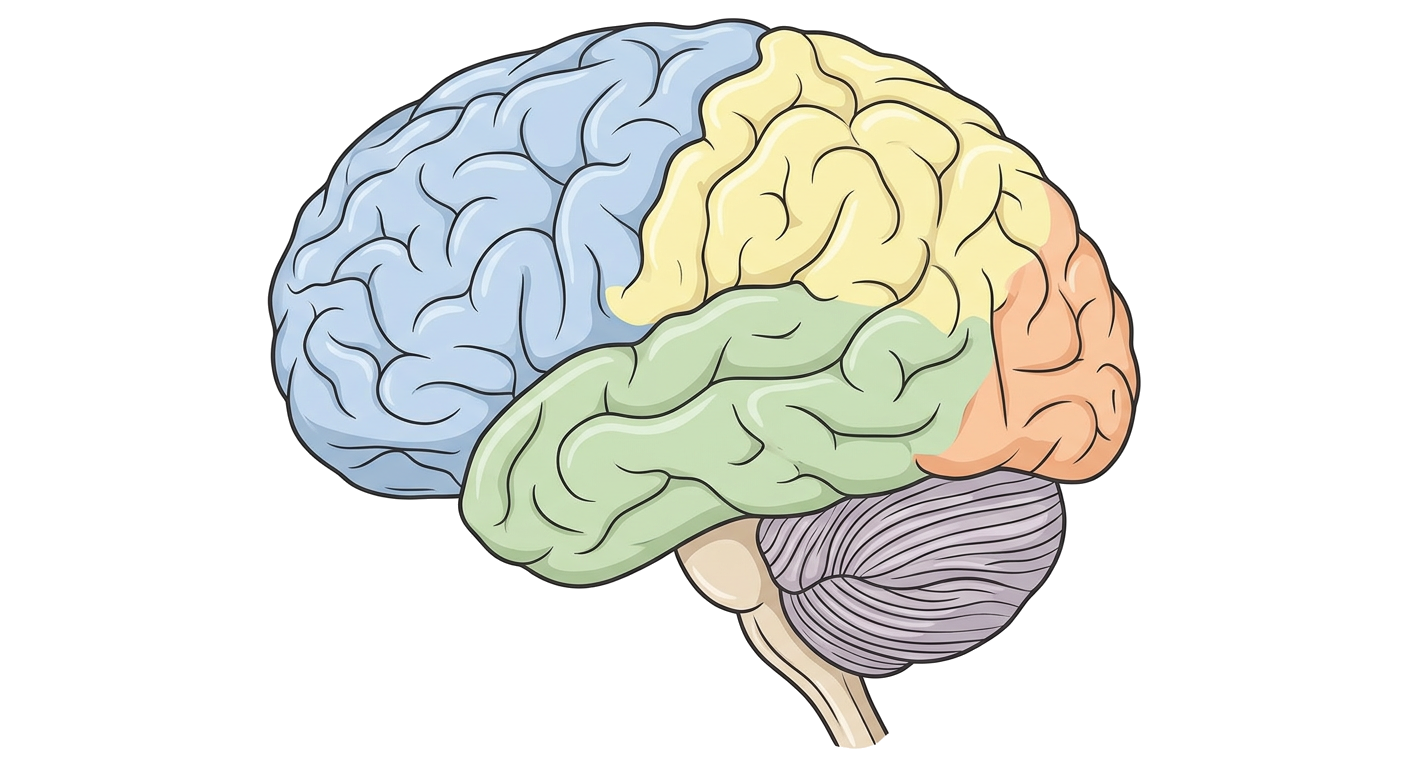
4. Describe the potential neuropathological changes that would occur in the brain of a zombified individual, leading to symptoms like aggression, disorientation, and lack of self-preservation. You may refer to the diagram below.
5. True or False: If the zombie pathogen primarily targets the brain, cutting off a zombified limb would prevent the spread of the infection throughout the entire body.
True
False
Match the zombie characteristic with its likely biological explanation.
6. Unrelenting hunger
a. Damage to the hypothalamus
7. Lack of pain response
b. Degradation of sensory neurons
8. Shambling gait
c. Impaired cerebellar function
9. Beyond the immediate biological threat, discuss the long-term societal and ecological impacts of a widespread zombie pandemic. Consider factors like ecosystem disruption, resource scarcity, and the collapse of infrastructure.
Related Worksheets
Grade 12 Biology: Dissection Fundamentals
This worksheet covers essential concepts and practices in biological dissection, including safety, tool identification, and ethical considerations for Grade 12 Biology students.
Grade 12 Biology: The Integumentary System
This worksheet covers the structure, function, and common conditions of the human integumentary system for Grade 12 Biology students.
Grade 12 Biology: Heart Rate
This worksheet explores the physiological mechanisms regulating heart rate, factors influencing it, and methods of measurement for Grade 12 Biology students.
Grade 12 Non-Mendelian Inheritance Worksheet
Explore advanced concepts in genetics beyond simple Mendelian patterns, including incomplete dominance, codominance, multiple alleles, and polygenic inheritance.