Fossil Fuels: Formation, Extraction, and Impact
An in-depth worksheet for Grade 12 students covering the formation, extraction methods, and environmental impacts of fossil fuels.
Includes
Standards
Topics
Fossil Fuels: Formation, Extraction, and Impact
Name:
Date:
Score:
Read each question carefully and answer to the best of your ability. Show all work for calculations. This worksheet covers the formation, extraction, and environmental impact of fossil fuels.
1. Which of the following is NOT a type of fossil fuel?
Coal
Natural Gas
Uranium
Petroleum
2. The primary geological process responsible for the formation of fossil fuels is:
Volcanism
Erosion
Sedimentation and diagenesis
Metamorphism
3. The energy stored in fossil fuels originally came from the through the process of .
4. Crude oil is refined into various products such as gasoline, diesel, and kerosene through a process called .
5. The release of greenhouse gases, primarily and , from burning fossil fuels is a major contributor to .
6. Describe the conditions necessary for the formation of coal. What type of organic matter is primarily involved?
7. Explain the difference between conventional and unconventional fossil fuel extraction methods, providing an example of each.
8. Fracking is a conventional method used to extract crude oil from easily accessible reservoirs.
True
False
9. Carbon capture and storage (CCS) technologies aim to reduce the amount of carbon dioxide released into the atmosphere from fossil fuel combustion.
True
False
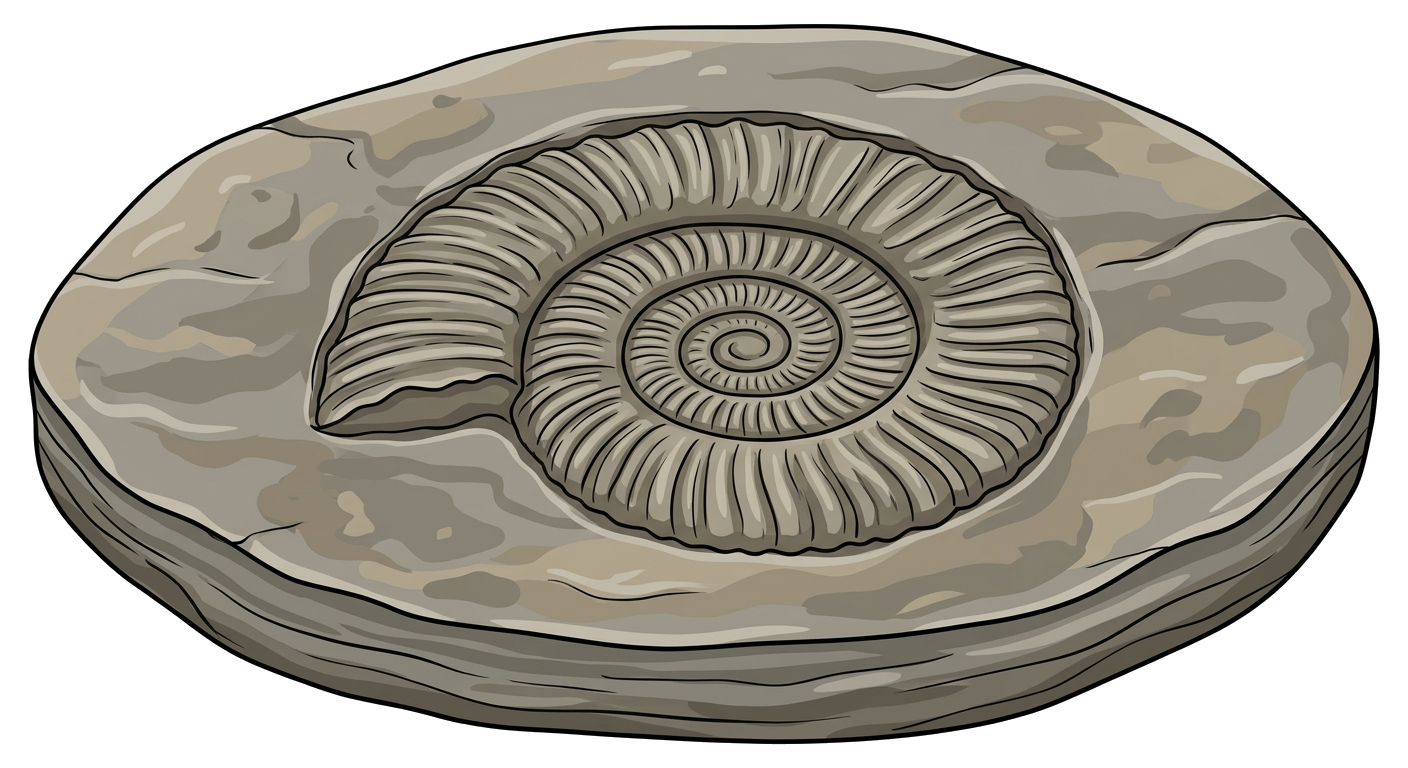
10. The image above shows a fossil. Explain how the presence of such fossils in sedimentary rocks can indicate the potential for fossil fuel deposits.
11. Discuss the major environmental impacts associated with the extraction, transportation, and combustion of fossil fuels. Propose at least two strategies to mitigate these impacts.
Related Worksheets
Sedimentary Rocks: Formation and Characteristics
Explore the formation processes, classification, and key characteristics of sedimentary rocks at a Grade 12 level.
Earthquakes and Volcanoes Worksheet
Explore the geological forces behind earthquakes and volcanoes, plate tectonics, and their impact on Earth's surface.
Grade 12 Environmental Studies Worksheet
This worksheet covers key concepts in Environmental Studies for Grade 12, including ecological principles, climate change, and sustainable practices.
Earth History: Geological Time and Major Events
Explore the vast history of Earth, from its formation to the present day, covering major geological eras, significant biological events, and dating methods.
Convection in the Earth's Mantle
Explore the process of convection within the Earth's mantle and its role in plate tectonics.
Human Population Growth: Dynamics and Impact
Explore the principles of human population growth, including historical trends, factors influencing growth rates, and environmental and societal impacts.
Grade 12 Lab Practical Worksheet
This worksheet assesses understanding of laboratory safety, equipment, experimental design, and data analysis for Grade 12 science students.
Geological Time Scale Exploration
Explore the vastness of geological time, major eras, and significant events in Earth's history.