Grade 12 Biology: Analogous Structures
Explore analogous structures in this Grade 12 Biology worksheet, focusing on convergent evolution and functional similarities without common ancestry.
Includes
Standards
Topics
Grade 12 Biology: Analogous Structures
Name:
Date:
Score:
Read each question carefully and provide your best answer. This worksheet focuses on analogous structures, convergent evolution, and their implications in evolutionary biology.
1. Which of the following best defines analogous structures?
Structures that share a common ancestry but have different functions.
Structures that have similar functions but evolved independently from different ancestors.
Structures that are vestigial and have lost their original function.
Structures that are identical in form and function across all species.
2. The wings of a bat, a bird, and an insect are examples of:
Homologous structures
Analogous structures
Vestigial structures
Embryonic structures
3. Analogous structures arise due to evolution, where different species adapt to similar environments.
4. The streamlined body shapes of sharks and dolphins are an example of structures, as they evolved independently to suit an aquatic environment.
5. Explain the key difference between analogous and homologous structures, providing an example for each.
6. Describe how environmental pressures can lead to the development of analogous structures in unrelated species.
7. Analogous structures provide strong evidence for common ancestry.
True
False
Match the term on the left with its description on the right.
8. Convergent Evolution
a. Structures with similar function, different origin
9. Analogous Structures
b. Evolutionary process leading to analogous structures
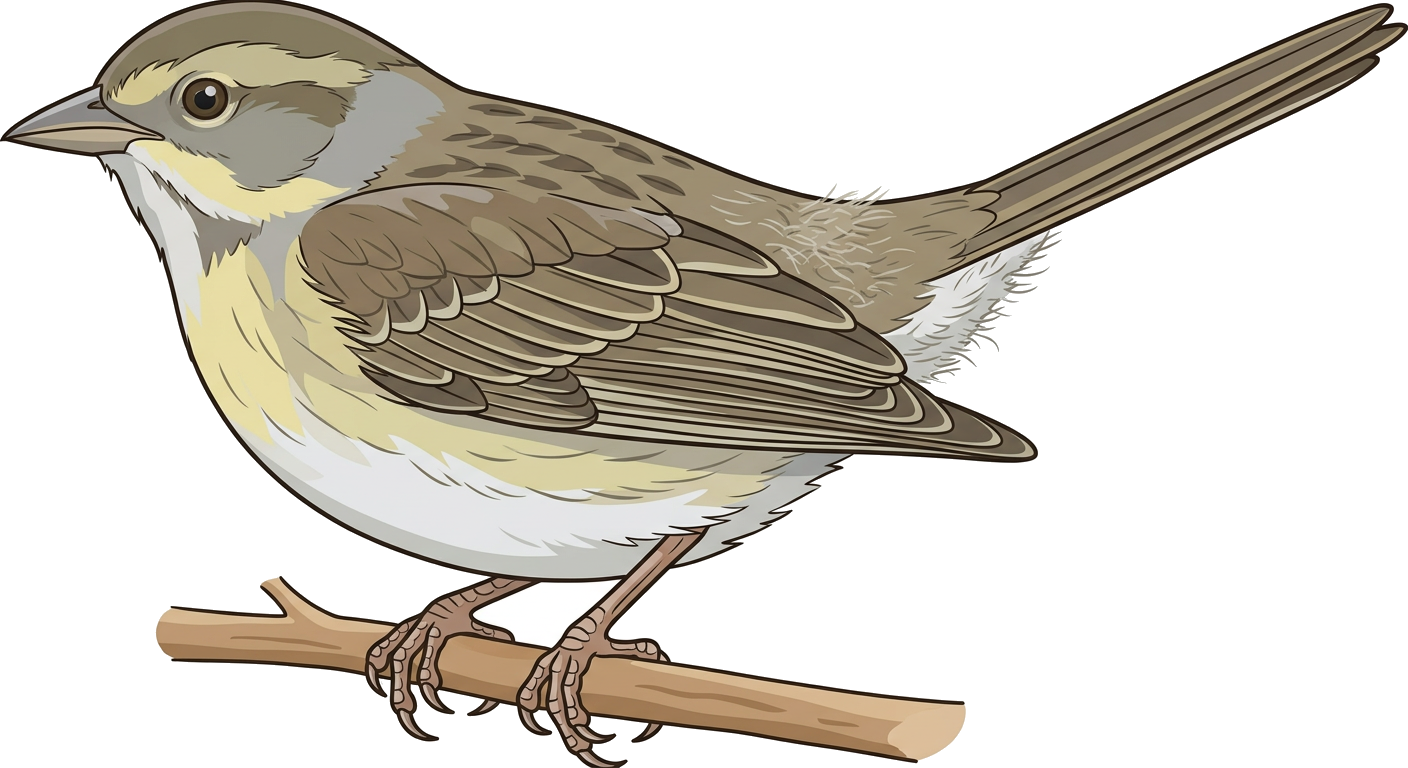
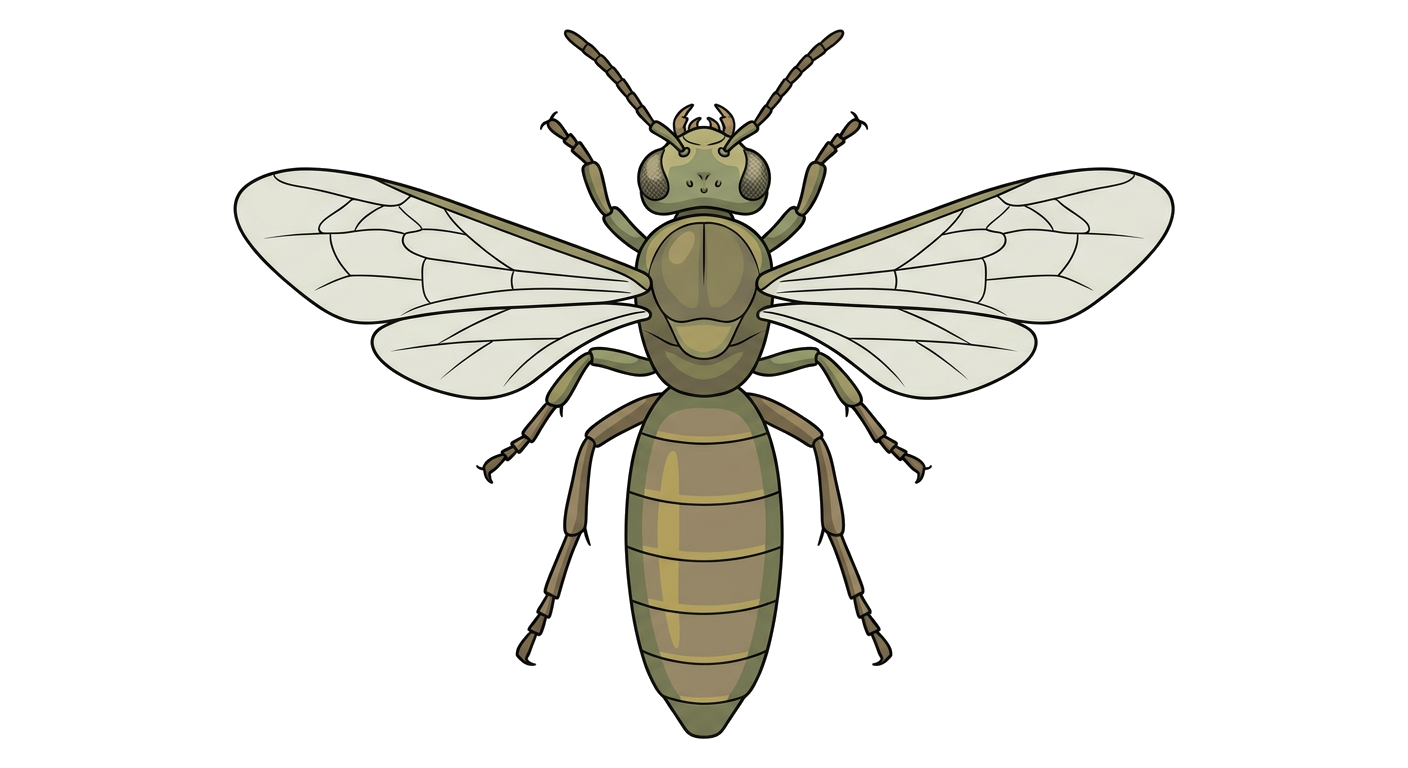
10. Observe the image below showing the wing of a bird and the wing of an insect. Based on your understanding of analogous structures, explain why these are considered analogous, despite their functional similarity.
Related Worksheets
Grade 12 Biology: Dissection Fundamentals
This worksheet covers essential concepts and practices in biological dissection, including safety, tool identification, and ethical considerations for Grade 12 Biology students.
Grade 12 Biology: The Integumentary System
This worksheet covers the structure, function, and common conditions of the human integumentary system for Grade 12 Biology students.
Grade 12 Biology: Heart Rate
This worksheet explores the physiological mechanisms regulating heart rate, factors influencing it, and methods of measurement for Grade 12 Biology students.
Grade 12 Non-Mendelian Inheritance Worksheet
Explore advanced concepts in genetics beyond simple Mendelian patterns, including incomplete dominance, codominance, multiple alleles, and polygenic inheritance.