Presidential Election Process
A Grade 12 social studies worksheet covering the US Presidential Election process, including primaries, electoral college, and campaign finance.
Includes
Standards
Topics
Presidential Election Process
Name:
Date:
Score:
Read each question carefully and answer to the best of your ability. Use complete sentences for short answer questions.
1. Which of the following best describes the purpose of presidential primaries and caucuses?
To directly elect the President and Vice President.
To select delegates who will nominate a party's presidential candidate.
To determine the platform of the major political parties.
To register voters for the general election.
2. The Electoral College was established by the U.S. Constitution for which primary reason?
To ensure that presidential elections are decided by popular vote.
To give more power to smaller states in presidential elections.
To primarily reflect the will of the people through a direct national vote.
To act as a compromise between electing the president by popular vote and electing the president by a vote in Congress.
3. A presidential candidate needs a minimum of electoral votes to win the presidency.
4. The is the process by which citizens propose new laws or constitutional amendments.
5. The Amendment limits a president to two terms in office.
6. In all U.S. states, the winner of the popular vote automatically receives all of the state's electoral votes.
True
False
7. Campaign finance laws are primarily designed to prevent corruption and ensure transparency in elections.
True
False
8. Explain the difference between an open primary and a closed primary.
9. Discuss the role of political parties in the presidential election process.
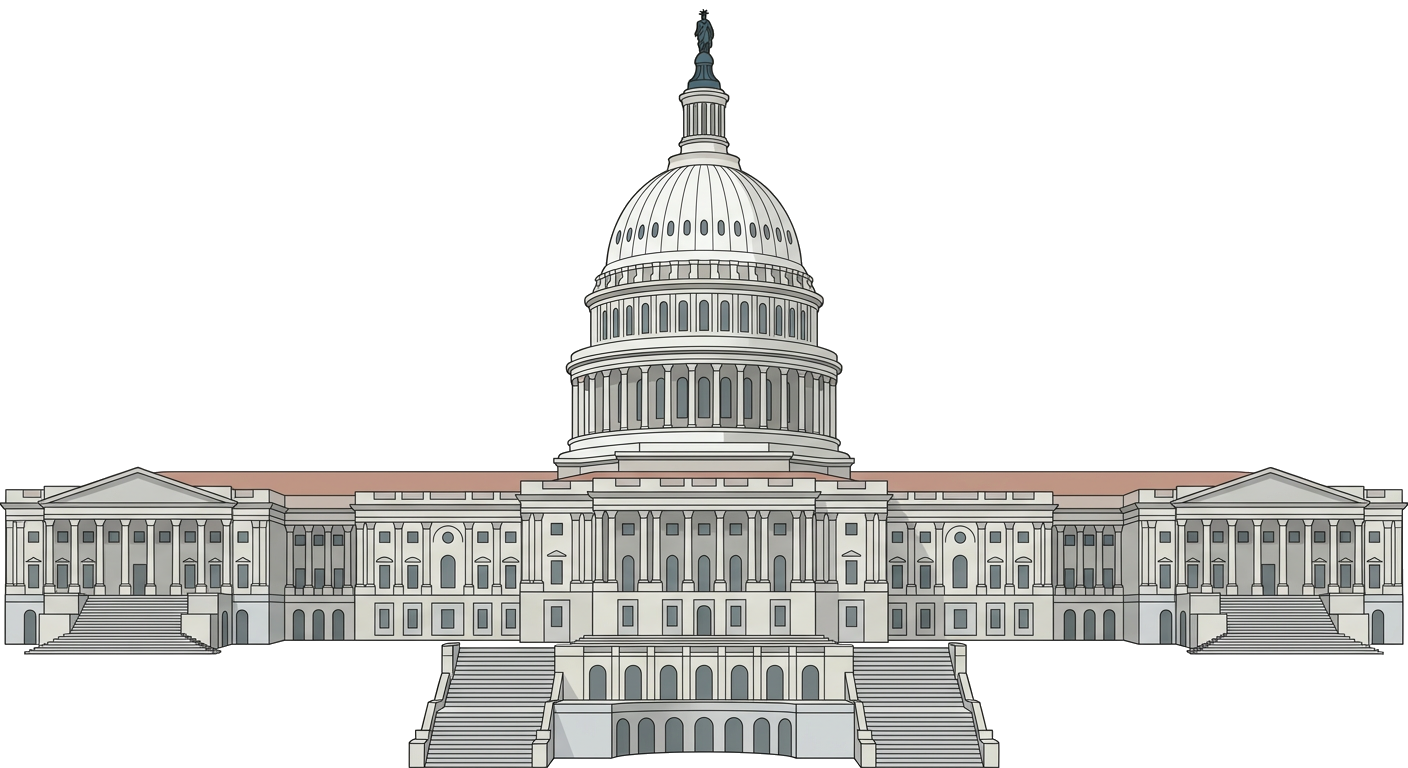
10. What is the significance of the US Capitol building in the context of American democracy and presidential elections?
Related Worksheets
Congressional Committees Worksheet
Explore the structure, functions, and types of congressional committees in the U.S. government.
Understanding Political Parties
A Grade 12 Social Studies worksheet exploring the role, functions, and types of political parties in a democratic system.
The Legislative Process: How a Bill Becomes a Law
This worksheet covers the steps and key aspects of the legislative process in the United States, from bill introduction to enactment, suitable for Grade 12 Social Studies.