Separation of Powers in the U.S. Government
Explore the principles of separation of powers and checks and balances in the United States government with this comprehensive worksheet for Grade 12 students.
Includes
Standards
Topics
Separation of Powers in the U.S. Government
Name:
Date:
Score:
Read each question carefully and answer to the best of your ability. Use complete sentences for short answer questions.
1. Which Enlightenment philosopher is most closely associated with the concept of the separation of powers?
John Locke
Jean-Jacques Rousseau
Baron de Montesquieu
Voltaire
2. The primary purpose of the separation of powers in a democratic government is to:
Concentrate power in a single entity
Promote efficient decision-making
Prevent the abuse of power
Ensure rapid policy implementation
3. The three branches of the U.S. government are the , , and .
4. The system of and ensures that no single branch becomes too powerful.
5. The branch has the power to declare war, while the branch serves as the Commander-in-Chief.
6. The President can veto a bill passed by Congress, which is an example of a check on the legislative branch.
True
False
7. Federal judges are appointed for life, which gives them independence from political pressures.
True
False
8. Briefly explain the concept of 'judicial review' and how it relates to the separation of powers.
9. Describe one specific example of a 'check' that the legislative branch has over the executive branch.
Match each government function with the branch responsible for it.
10. Enforces laws
a. Legislative Branch
11. Interprets laws
b. Executive Branch
12. Makes laws
c. Judicial Branch
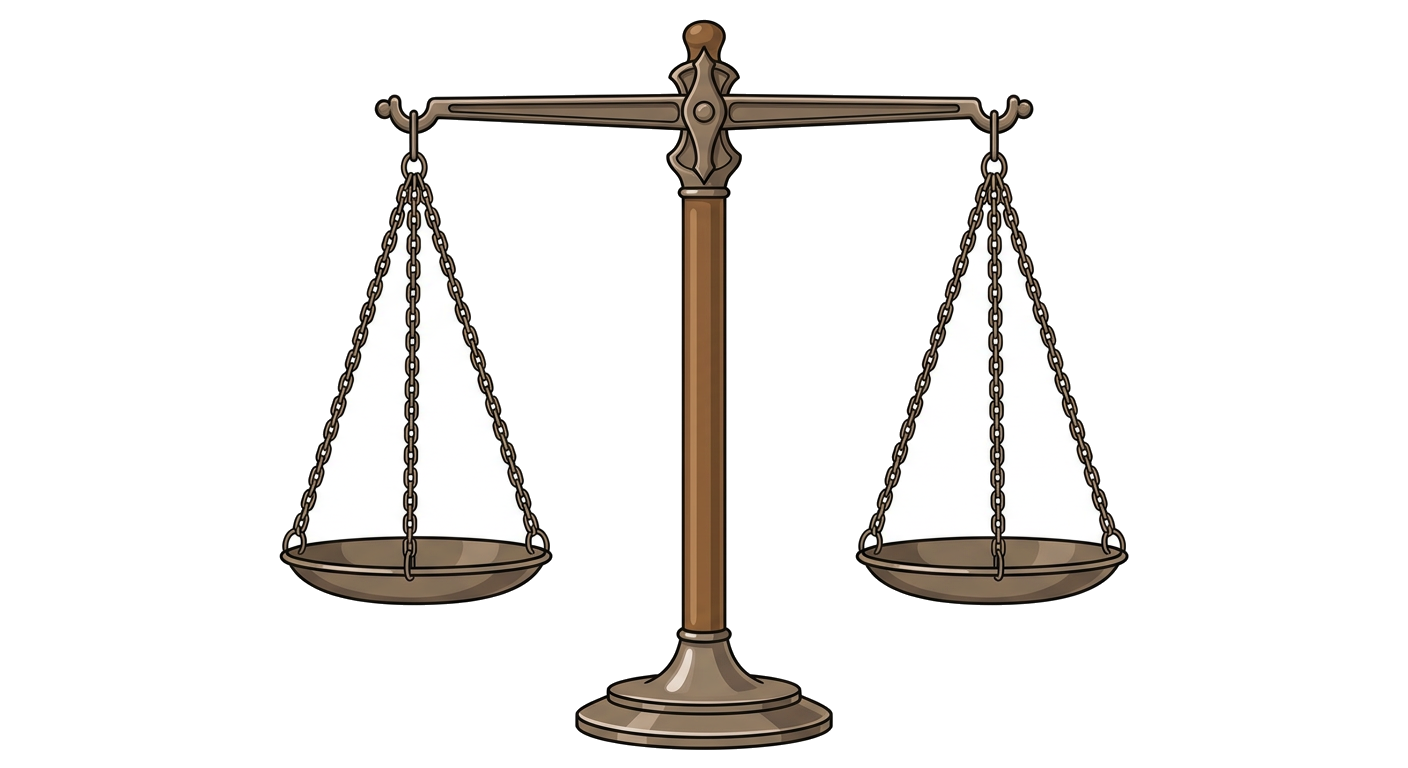
13. The image below represents a key concept in the U.S. government. Identify the concept and explain its significance.
Related Worksheets
Congressional Committees Worksheet
Explore the structure, functions, and types of congressional committees in the U.S. government.
Understanding Political Parties
A Grade 12 Social Studies worksheet exploring the role, functions, and types of political parties in a democratic system.
The Legislative Process: How a Bill Becomes a Law
This worksheet covers the steps and key aspects of the legislative process in the United States, from bill introduction to enactment, suitable for Grade 12 Social Studies.