Human Body Regions Worksheet
Explore the major regions of the human body and their common names with this Grade 7 Science worksheet.
Includes
Standards
Topics
Human Body Regions
Name:
Date:
Score:
Read each question carefully and provide the best answer based on your knowledge of human body regions.
1. Which body region includes the head, neck, and trunk?
Appendicular region
Axial region
Pelvic region
Thoracic region
2. Which of the following is part of the appendicular region?
Abdomen
Spine
Leg
Chest
3. The region refers to the upper and lower limbs of the body.
4. The chest area is also known as the region.
5. The abdomen is part of the axial skeleton.
True
False
6. The femoral region refers to the thigh.
True
False
7. Name two major regions of the human body and give an example of a body part found in each.
8. Label the following body regions on the diagram below:
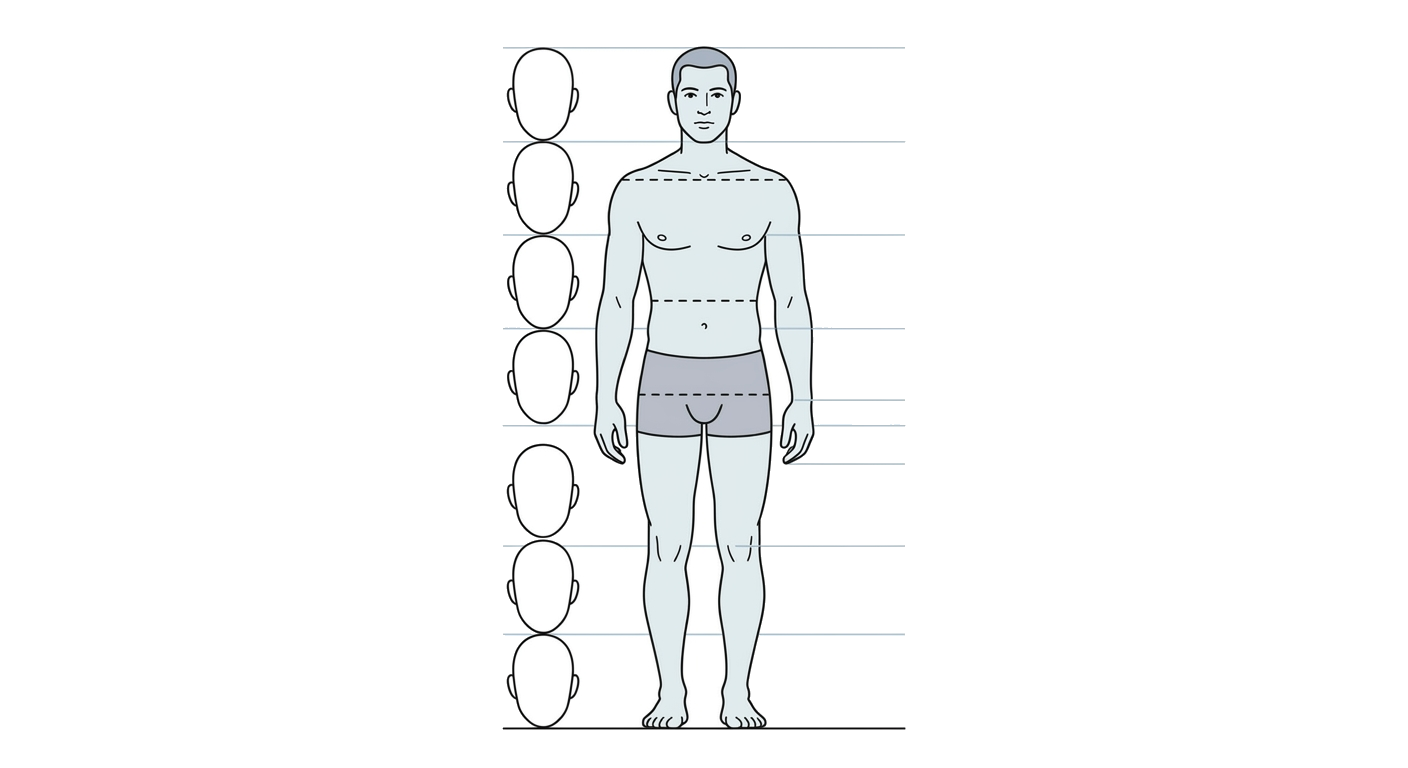
A. (Head)
B. (Trunk)
C. (Arm)
D. (Leg)
Related Worksheets
Six Kingdoms of Life Worksheet
Explore the characteristics and classification of the six kingdoms of life with this engaging worksheet for Grade 7 science students.
Pathogenic Microorganisms
This worksheet covers different types of pathogenic microorganisms, their characteristics, and how they cause diseases.
The Menstrual Cycle
A Grade 7 Science worksheet covering the stages, hormones, and key terms of the human menstrual cycle.
Human Decomposition: The Science of Decay
Explore the stages of human decomposition, the factors that influence it, and the roles of scavengers and microorganisms in this Grade 7 Science worksheet.
Invertebrate Animals Worksheet
Explore the fascinating world of invertebrate animals with this worksheet, covering their characteristics, classifications, and examples.
Frog Dissection Worksheet
A worksheet covering the external and internal anatomy of a frog for grade 7 science students.
Grade 7 Digestion Worksheet
A science worksheet for Grade 7 students covering the human digestive system, its organs, and processes.
Photosynthesis and Cellular Respiration
Explore the fundamental processes of photosynthesis and cellular respiration, understanding their inputs, outputs, and significance in living organisms.